How to Prevent Water Damage in Westerville, OH Homes
In Westerville, OH, heavy rain, seasonal storms, and freezing winters put constant pressure on your home’s exterior systems. Preventing water damage starts with understanding how runoff moves across your roof, through your gutters, and away from your foundation. When that flow is disrupted, even slightly, it can lead to structural issues, interior staining, or costly restoration work.
For homeowners in Central Ohio, proactive steps make the difference between minor maintenance and major repairs.
Why Gutters Play a Critical Role in Preventing Water Damage
Your gutter system directs roof runoff safely away from structural elements like siding, fascia, and the foundation. During heavy rain, a typical roof can shed hundreds of gallons of water in a short period. If gutters are clogged or misaligned, that runoff may overflow and collect near the basement walls.
Over time, poor drainage contributes to:
- Foundation cracks
- Soil erosion
- Moisture intrusion
- Basement dampness
- Exterior rot
Routine maintenance and proper slope are essential to avoid long-term structural damage.
Common Causes of Residential Water Damage
Most residential water damage in Westerville stems from a few predictable issues. Addressing these early reduces repair costs and health risks.
Clogged Gutters and Downspouts
Leaves, twigs, and small debris can trap runoff inside the trough. Overflow may soak the siding or pool near the foundation. Excess moisture increases the chance of basement flooding.
Poor Drainage Systems
Downspouts that discharge too close to the home allow saturation near the basement walls. In some cases, adding extensions or upgrading drainage systems prevents significant water damage.
Ice Dams and Winter Backups
In colder months, snowmelt can refreeze at the roof edge. When drainage is blocked, runoff may seep under shingles, contributing to roof damage and interior staining.
Plumbing Systems and Interior Sources
Not all problems begin outside. Leaky pipes, failed water heaters, washing machines with worn hoses, and burst pipe events are common indoor causes. Aging water supply lines can also fail unexpectedly.
Early Signs of Damage Homeowners Should Watch For
Spotting signs of damage early allows for quicker intervention and fewer repairs.
Look for:
- Ceiling stains
- Peeling paint
- Warped trim
- Musty odors
- Damp basement corners
These indicators may signal moisture intrusion or an underlying source of water that requires attention.
What Should I Do If I Find Water Damage Before Buying a Home?
If you discover water damage during a home inspection, pause the transaction and investigate thoroughly. Hire a licensed inspector to determine the source of water, evaluate structural elements, and estimate repair costs. Significant damage or mold growth may require professional remediation before closing.
How Do I Dry Out Water-Damaged Areas in My House?
Drying affected areas quickly is essential to reduce health risks and prevent mold growth.
Start the Drying Process Immediately
- Remove standing water if present
- Use fans and dehumidifiers
- Increase ventilation
- Remove saturated materials
For significant water exposure, professional water extraction equipment may be necessary. The drying process often includes moisture meters to confirm hidden dampness inside walls or flooring.
Hardwood floors require careful evaluation, as prolonged exposure can cause cupping or warping.
What Repairs Are Necessary After Water Damage Has Occurred?
Necessary repairs depend on the type of water damage and the amount of water involved.
Minor issues may only require drywall patching and repainting. Severe damage may involve:
- Replacing insulation
- Repairing structural issues
- Addressing drainage problems
- Installing new flooring
- Updating plumbing systems
If contamination is involved, such as black water from sewer backups, professional remediation is critical to ensure safety.
Health Risks Associated With Untreated Moisture Problems
Ignoring excess moisture can create serious problems inside a home. Mold growth can begin within 24–48 hours under the right conditions. This may lead to:
- Respiratory irritation
- Allergic reactions
- Worsening asthma symptoms
Contaminated water exposure increases health risks further. Addressing moisture promptly protects both property and family members.
Proactive Steps to Prevent Water Damage
Prevention is more affordable than restoration. Westerville homeowners can reduce risk with consistent maintenance and upgrades.
Schedule Regular Inspections
Regular inspections of gutters, downspouts, and roof edges identify issues early. Older homes may require more frequent checks.
Maintain the Gutter System
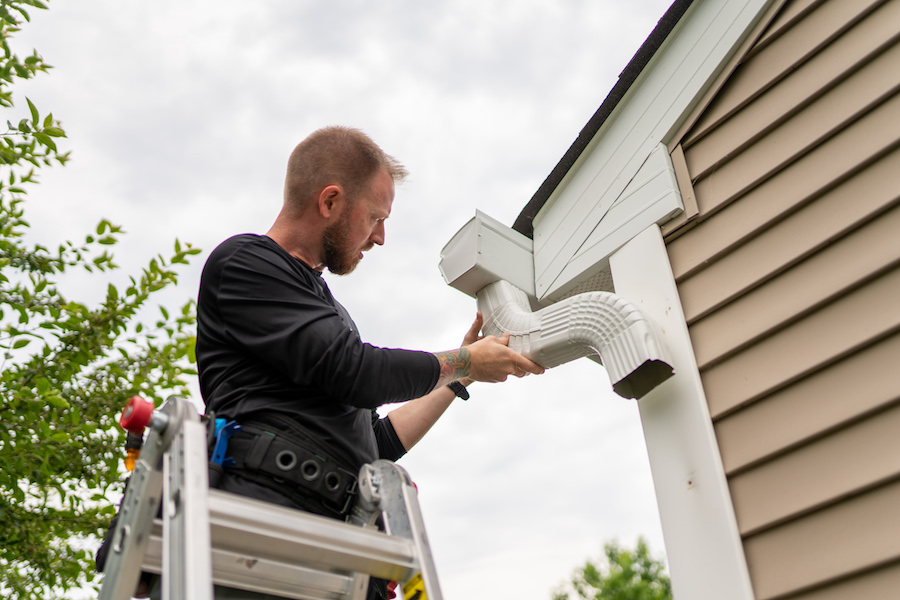
Clear debris in spring and fall. Confirm proper pitch. Ensure brackets remain secure and seams are intact.
Extend Downspouts
Discharging runoff several feet from the home reduces foundation saturation and lowers the risk of basement flooding.
Install Gutter Guards
Quality guards reduce debris buildup and improve long-term performance.
How Severe Weather Impacts Westerville Homes
Severe weather in Ohio can overwhelm poorly maintained systems. Heavy rain combined with high winds may introduce large amounts of water quickly.
When runoff exceeds system capacity, moisture may reach interior spaces. Proactive upgrades and drainage improvements provide peace of mind during storms.
Interior Sources That Often Lead to Water Damage
While exterior runoff is common, interior plumbing issues are frequent contributors.
Watch for:
- Washing machines with aging hoses
- Water heaters nearing the end of their lifespan
- Leaky pipes beneath sinks
- Burst pipe events during freezing weather
Checking water supply connections regularly can prevent unexpected failures.
Insurance Coverage and Filing an Insurance Claim
Understanding your insurance policy before issues arise reduces stress.
Many policies cover sudden events like burst pipe damage, but may exclude long-term neglect. Flood damage often requires separate flood insurance coverage.
If you experience significant water damage:
- Document the affected area
- Photograph structural elements
- Save receipts for mitigation efforts
- Contact your insurance company promptly
Working closely with your insurance company ensures a smoother claims process.
When to Call a Professional
It is a good idea to seek professional water mitigation when:
- There is extensive damage
- Hardwood floors are affected
- Mold growth is visible
- There is contaminated water present
- The source of water is unclear
Professionals use advanced drying tools and water extraction equipment to reduce long-term structural damage.
Extra Protection for Basements and Foundations
Homes with basements benefit from added safeguards.
Consider:
- Testing your sump pump regularly
- Installing battery backups
- Improving grading
- Adding French drains where needed
Sump pump failures during heavy rain can quickly escalate into significant damage.
The Long-Term Value of Prevention
Taking proactive steps now protects structural elements and avoids costly repairs later. Preventing residential water damage preserves your home’s value and reduces unexpected financial strain.
Regular maintenance, updated plumbing systems, and improved drainage create lasting peace of mind for Westerville homeowners.
Frequently Asked Questions
What are the most common causes of water damage in Westerville homes?
- Common causes include clogged gutters, poor drainage systems, burst pipe events, leaky pipes, washing machine hose failures, and severe weather conditions that overwhelm exterior systems.
How much water can a roof shed during a storm?
- During heavy rain, a roof can shed hundreds of gallons of water depending on size and rainfall intensity. Properly functioning gutters are essential to manage that runoff.
Is flood damage covered by homeowners’ insurance?
- Standard policies may not cover flood damage. Separate flood insurance coverage is typically required.
What types of water damage are most dangerous?
- Black water from sewer backups is considered hazardous. Contaminated water increases health risks and requires professional cleanup.
How can I reduce the risk of water damage long-term?
- Routine maintenance, regular inspections, proper drainage systems, updated plumbing components, and installing gutter protection are all effective preventative measures.